
Milan Design Week 2026: 9 Defining Design Trends from This Year’s Edition (Part 1)
Jul 8, 2026
Milan Design Week 2026 revealed not only the materials defining contemporary design, but also a renewed understanding of their role. Colour, stone, wood, glass, and metal are no longer seen as surface finishes, but as storytelling elements that shape emotion, evoke the passage of time, and deepen the experience of space.
Despite forecasts of rain throughout this year's design week, Milan was bathed in sunshine for most of the event. Perhaps it was that very light that found its way into the latest collections, emerging in the form of one unmistakable hue: Canary Yellow.
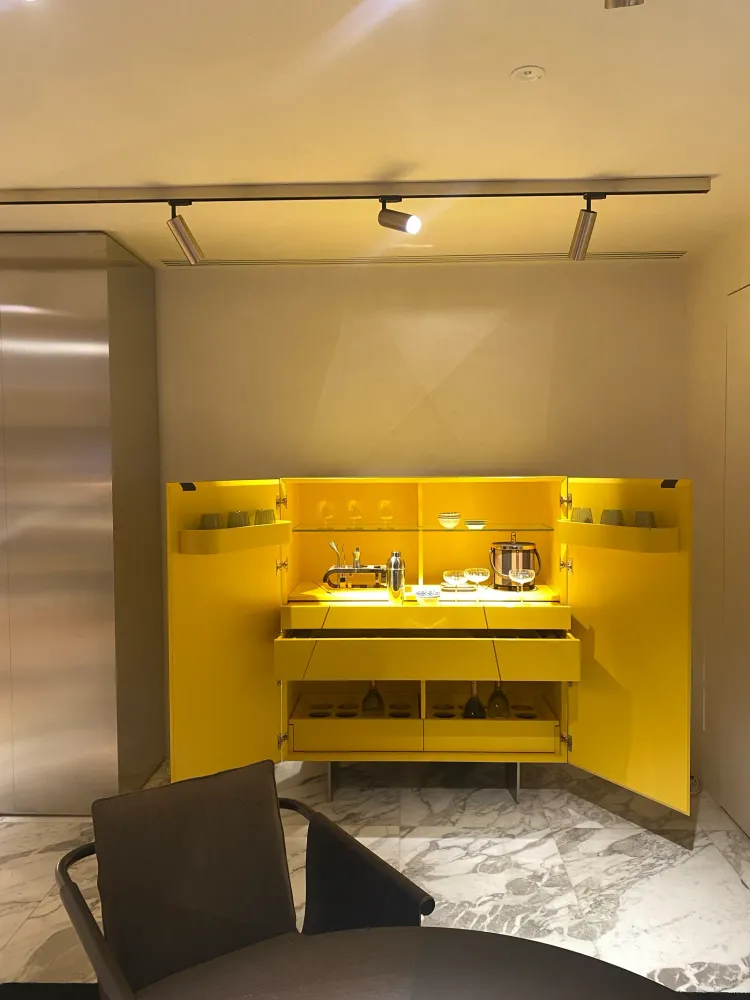
At Fendi Casa, the vibrant hue appeared in the exhibition's bar area and on the Naki Sumo table, where luminous Murano glass brought the colour to life. Cassina reintroduced it through the upholstery of the reissued Panton Peacock Chair, while Patricia Urquiola explored a softer, greener interpretation of yellow in the Ardys sofa collection.
What makes this year's yellow particularly compelling is that it goes beyond a passing colour trend. Rather than functioning as a bold statement or a dramatic visual accent, it conveys a sense of optimism, openness, and warmth.
For years, interior design has been dominated by restrained palettes of beige, grey, earthy browns, and other muted neutrals. Canary Yellow feels like a welcome departure from that caution, suggesting that today's homes should offer not only sophistication, but also a sense of joy.
If there is one material that best captured the spirit of this year's Milan Design Week, it was undoubtedly glass. From Studio 6:AM's sculptural installations at Piscina Guido Romano to Dior Maison's Corolle lighting collection and the latest creations from Barovier & Glass, it appeared not simply as a functional material, but as a powerful medium of expression.
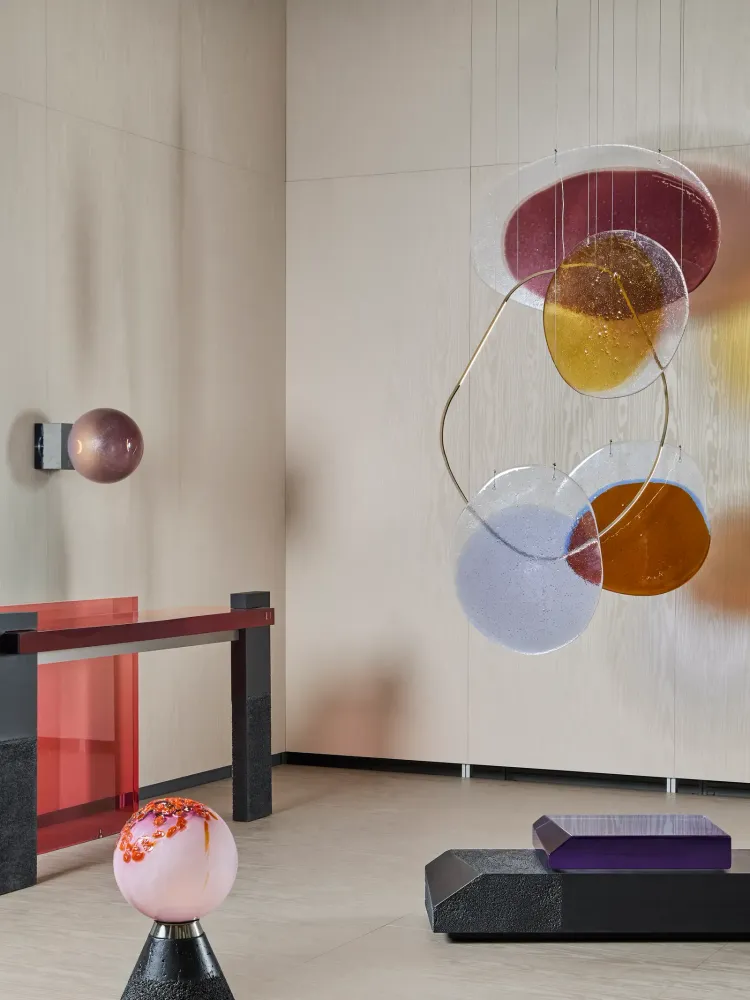
What stood out this year was that designers were no longer striving for flawless glass. Tiny air bubbles, traces of hand blowing, and the material's natural irregularities were deliberately preserved, celebrating the beauty of the making process rather than concealing it.
Studio 6:AM's glass blocks, originally created for Bottega Veneta, demonstrated how repetition can form a coherent visual language while allowing each individual piece to retain its own identity. At Nilufar, Christian Pellizzari presented lighting objects with almost organic, living forms, while Gallotti&Radice explored new possibilities through furniture crafted from recycled glass.
Rather than simply illuminating objects, light seemed to emanate from within them. In an age where so much of what we see is digitally generated and flawlessly rendered, glass became a quiet reminder of the beauty found in imperfection and the enduring presence of the human hand.
Stone has long been associated with permanence and the enduring character of architecture. At this year's Milan Design Week, however, it was no longer presented as a symbol of luxury. Instead, it emerged as a fundamental element for shaping space itself.
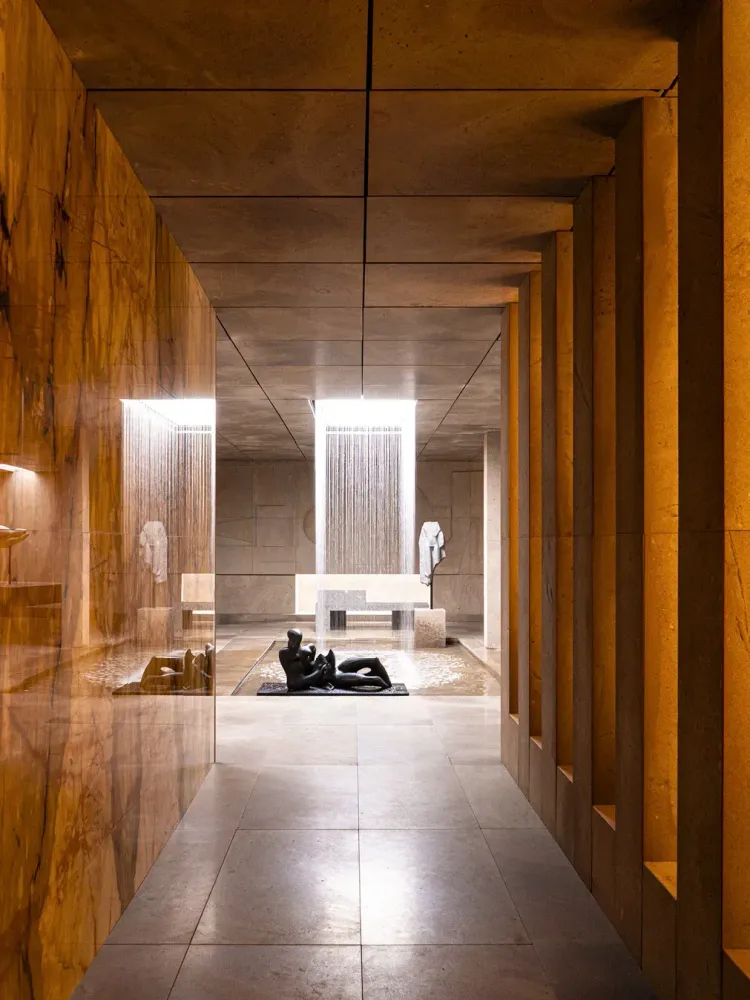
From the richly coloured stone walls at B&B Italia and the luminous alabaster surfaces by Studioutte to the monolithic stone house created by Hannes Peer in collaboration with Margraf, each project pointed to a new way of thinking: material is no longer something that merely finishes architecture; it becomes architecture itself.
Textured, matte, and tactile surfaces replaced the polished finishes traditionally associated with stone, giving the material a presence that feels both powerful and deeply nuanced. Stone becomes structure, space, and atmosphere all at once. Together, these projects reflect a broader shift away from decoration and towards an appreciation of material in its most authentic and elemental form.
Wood remained one of the defining materials at Milan Design Week 2026, yet this year its presence extended far beyond aesthetics.
Iconic designs such as the Pigreco Chair by Tobia Scarpa were reissued in natural timber, celebrating the material's enduring character. Side Gallery presented works by Isamu Kenmochi, while Kelly Wearstler incorporated wood into her latest collection with H&M Home.
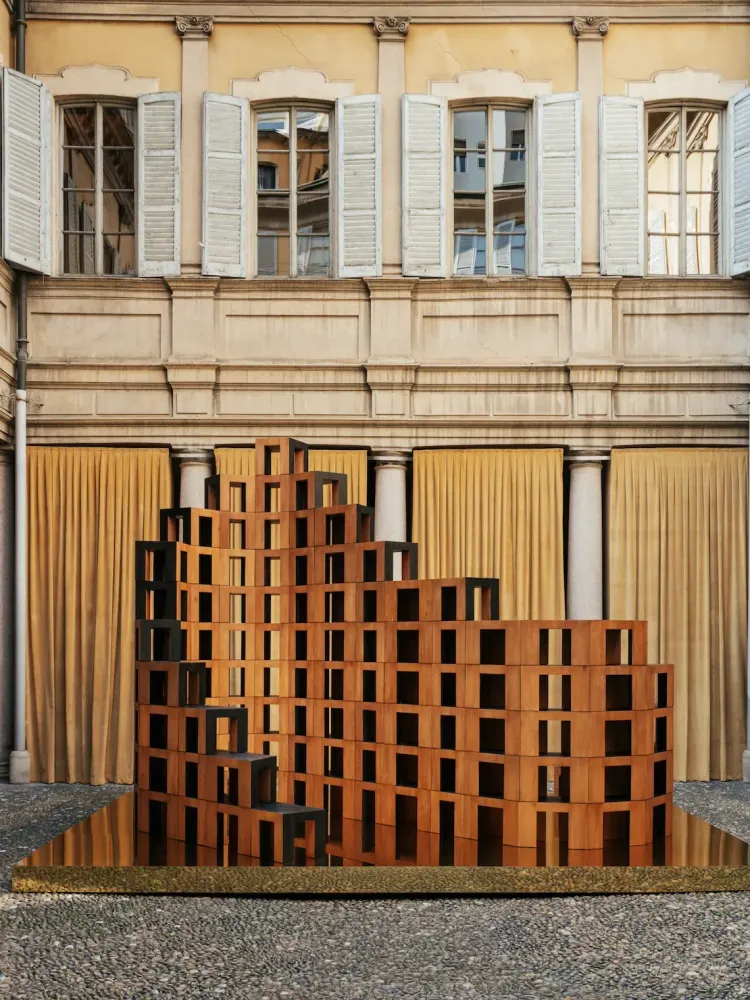
Particularly noteworthy was the Rasters collection by BD Barcelona Design, developed by Office KGDVS in collaboration with Muller Van Severen. The collection transformed architectural grid systems into cabinets and room dividers crafted from solid beech, blurring the boundary between architecture and furniture.
In an age when so much of our daily experience unfolds through flat screens, wood offers something technology cannot easily replicate: the richness of touch. Its warmth, distinctive grain, subtle patina, and natural scent reconnect us with the physical world, reminding us that the most meaningful experiences often begin with the senses.
Metal remained one of the defining materials of contemporary design, yet this year's Milan Design Week presented a distinctly different interpretation. Rather than emphasising its industrial precision or cool austerity, chrome, steel, and aluminium were paired with organic forms and softer materials, revealing a warmer and more tactile expression of the material.
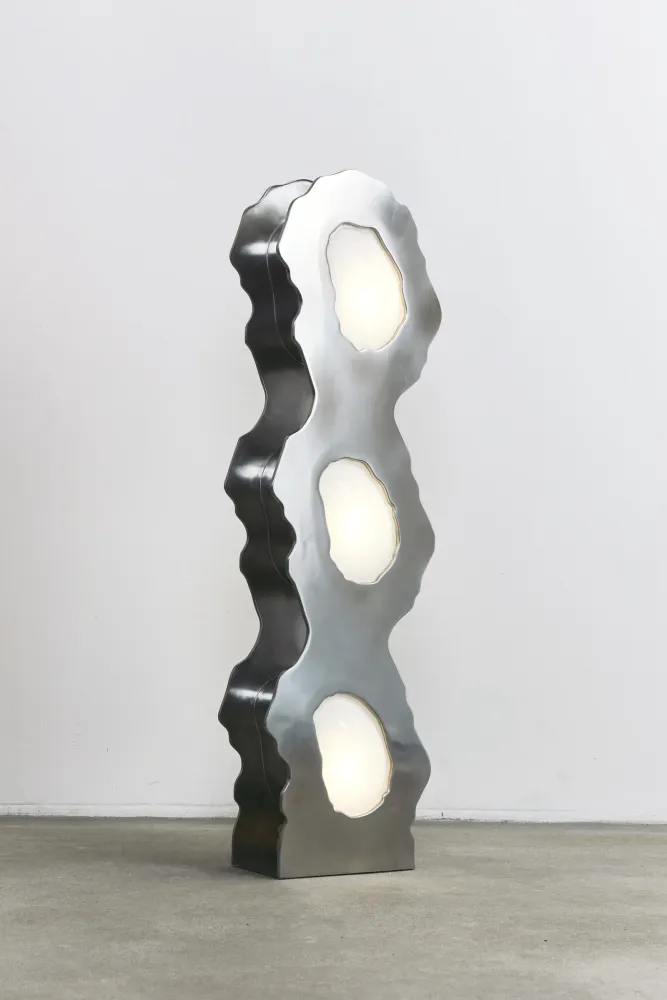
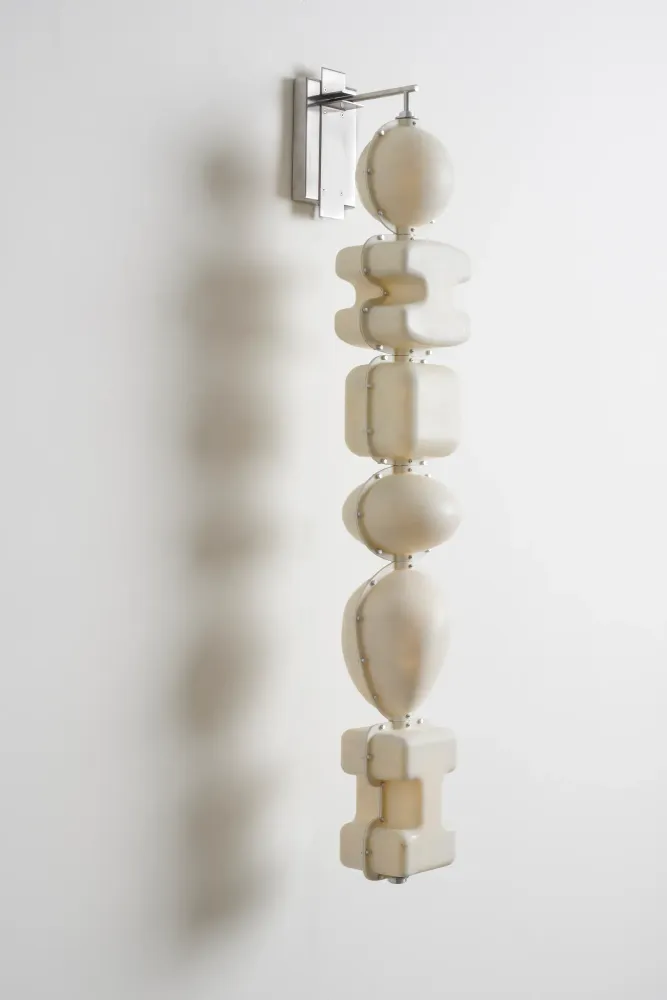
Designs presented by Enne, Arflex, and Furn Object demonstrated how metal can feel softer, more inviting, and emotionally resonant without losing its industrial identity.
What emerged was not a rejection of industrial design but a more human interpretation of it. Metal retains its precision and contemporary character, yet it also becomes warmer, more tactile, and easier to connect with. After years of being captivated by the sleek detachment of digital culture and technology, designers now seem intent on bringing emotion back into materials once perceived as cold, rigid, and purely functional.
Source: Architectural Digest