
“Neo Deco” – The Design Trend Defining 2026
Apr 11, 2026
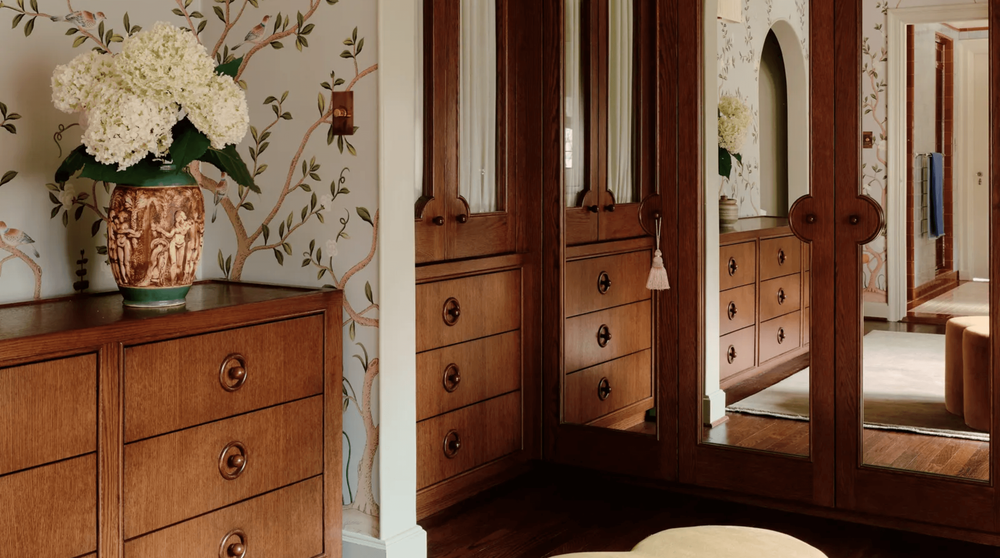
Photo: William Jess Laird
Dark tones form the foundation of Neo Deco interiors. Materials such as walnut, mahogany, and rosewood bring a sense of warmth and depth that lighter finishes often cannot replicate.
In the Deco tradition, wood is more than a finishing material. It serves as a key design element that shapes the character of a space. The grain, surface treatment, and craftsmanship all contribute to its visual richness. The sophistication, however, lies in balance. These darker surfaces are often paired with softer materials such as woven textiles, honed stone, and smooth finishes, ensuring the overall composition feels refined rather than heavy.
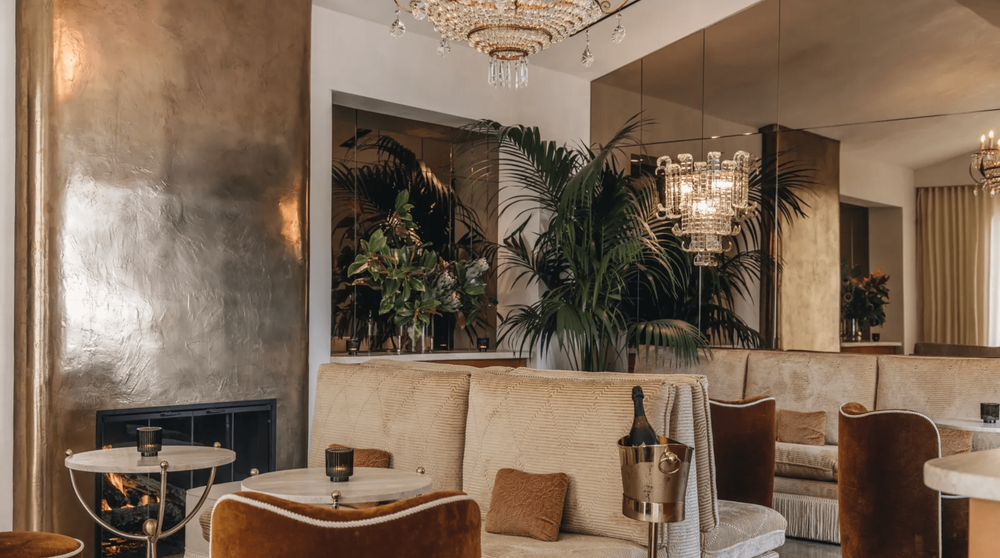
Photo: Pablo Enriquez
Neo Deco is not defined by the quantity of materials within a space, but by the intention behind their selection. Rather than serving as purely decorative surfaces, materials are chosen for their authenticity and their ability to age gracefully over time.
Natural stone with unique veining, metals that develop character through use, and timber with pronounced grain patterns all contribute to a sense of permanence and history. Each material is carefully positioned in dialogue with another, creating purposeful contrasts between matte and reflective, soft and structured. Together, these layers bring rhythm, depth, and a lasting sense of richness to the space.
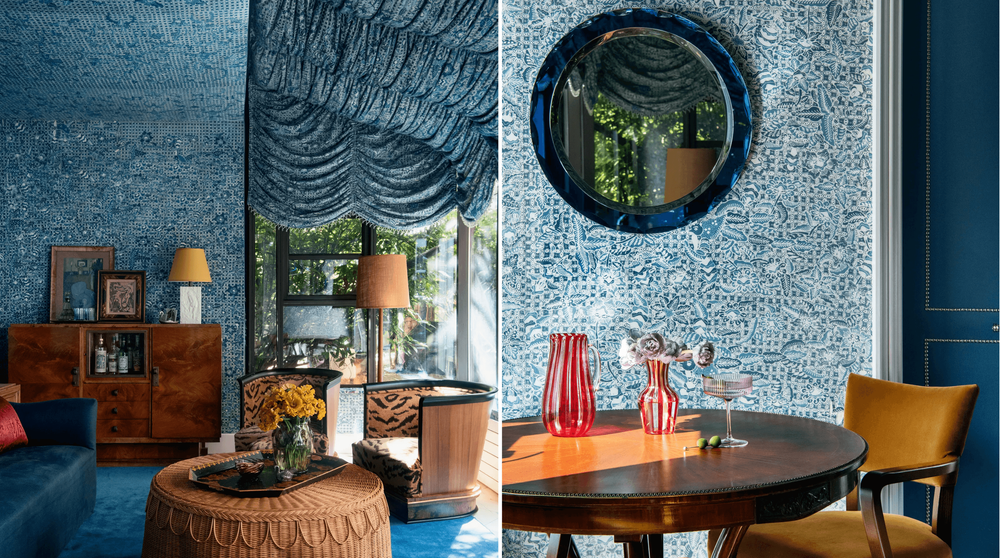
Photo: Ethan O’Grady
In Neo Deco interiors, color does more than add visual interest. It plays a central role in shaping how a space is experienced. A dominant hue may flow throughout the home, creating a sense of continuity and cohesion rather than visual fragmentation.
What matters is not the intensity of a color, but how it is used. Deep shades such as burgundy, emerald green, and muted earth tones are carefully balanced to create a sense of warmth and enclosure rather than overwhelming the space. When applied with intention, color becomes more than a decorative element. It becomes a defining presence that gives the home its character and emotional depth.
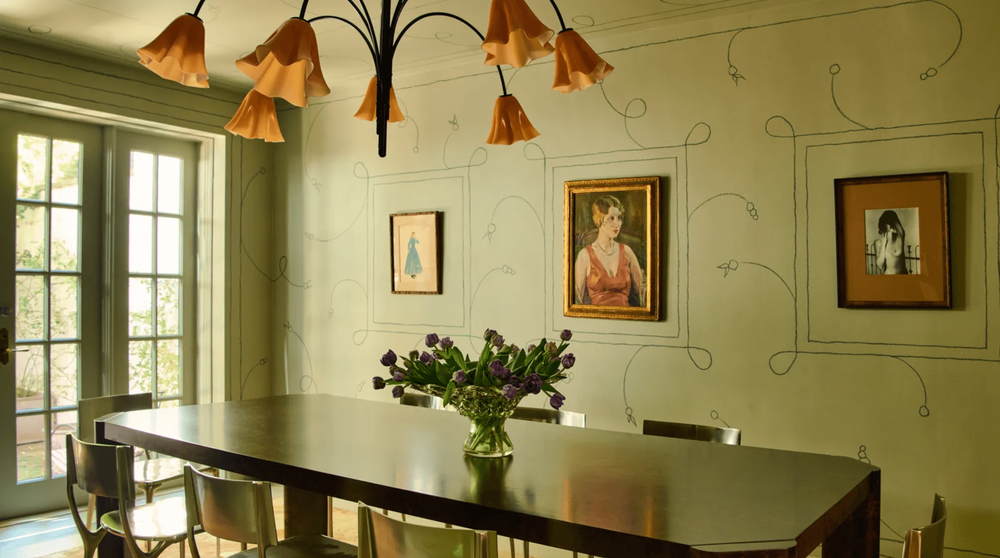
Photo: Ethan O’Grady
While traditional Art Deco celebrated bold geometry and sharply defined forms, Neo Deco introduces softer elements to create a greater sense of balance. Curved sofas sit alongside clean architectural lines, while subtle arches emerge within otherwise structured compositions. These contrasts soften the rigidity often associated with geometric design, making spaces feel more inviting, fluid, and expressive.
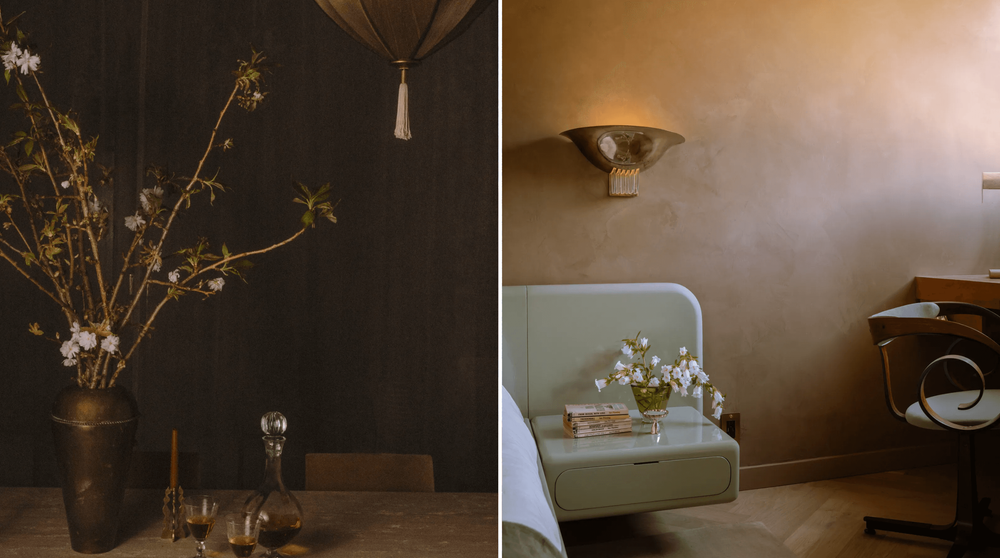
Photo: Pablo Enriquez
Neo Deco expresses luxury through refinement rather than excess. The craftsmanship of a bespoke light fixture, the patina of a well-aged metal accent, or the precision with which materials meet one another all reflect a shared intention: to elevate the experience of everyday living.
More than a design aesthetic, Neo Deco represents a thoughtful way of living. Spaces are not created to make a fleeting visual statement, but to foster a lasting connection with those who inhabit them. It is an approach that values permanence over trends, allowing a home to evolve gracefully while continuing to support and enrich daily life over time.
Source: Architectural Digest